 Following the lead of an earlier case involving the Texas anti-SLAPP statute, the Fifth Circuit held in Sahs v. Loyola Univ. that a similar Louisiana law did not apply in federal court either. The Court reasoned: “Article 971 answers the same question as Federal Rules 12 and 56: when can an action be dismissed before trial?” and concluded that “Article 971 conflicts with Rule 56 in those same ways: (1) the statute’s burden-shifting framework and (2) its limitations on discovery.” Because “Federal Rules 12 and 56 are valid under the Rules Enabling Act,” they control over the state law. An additional opinion questioned there was appellate jurisdiction. No. 25-30256 (Sept. 11, 2026).
Monthly Archives: September 2026
 600Camp celebrates its 15th birthday with this, the 2810th post. Thanks to everyone who has joined this fascinating journey. To celebrate this anniversary properly, I observe three 600Camp traditions:
- Valuable 600Camp Merchandise. Anyone who catches an error in a post goes on the list to receive valuable 600Camp merchandise. Unfortunately I still do not yet have any merchandise, but I assure you that all such commitments will be duly honored at the earliest possible time.
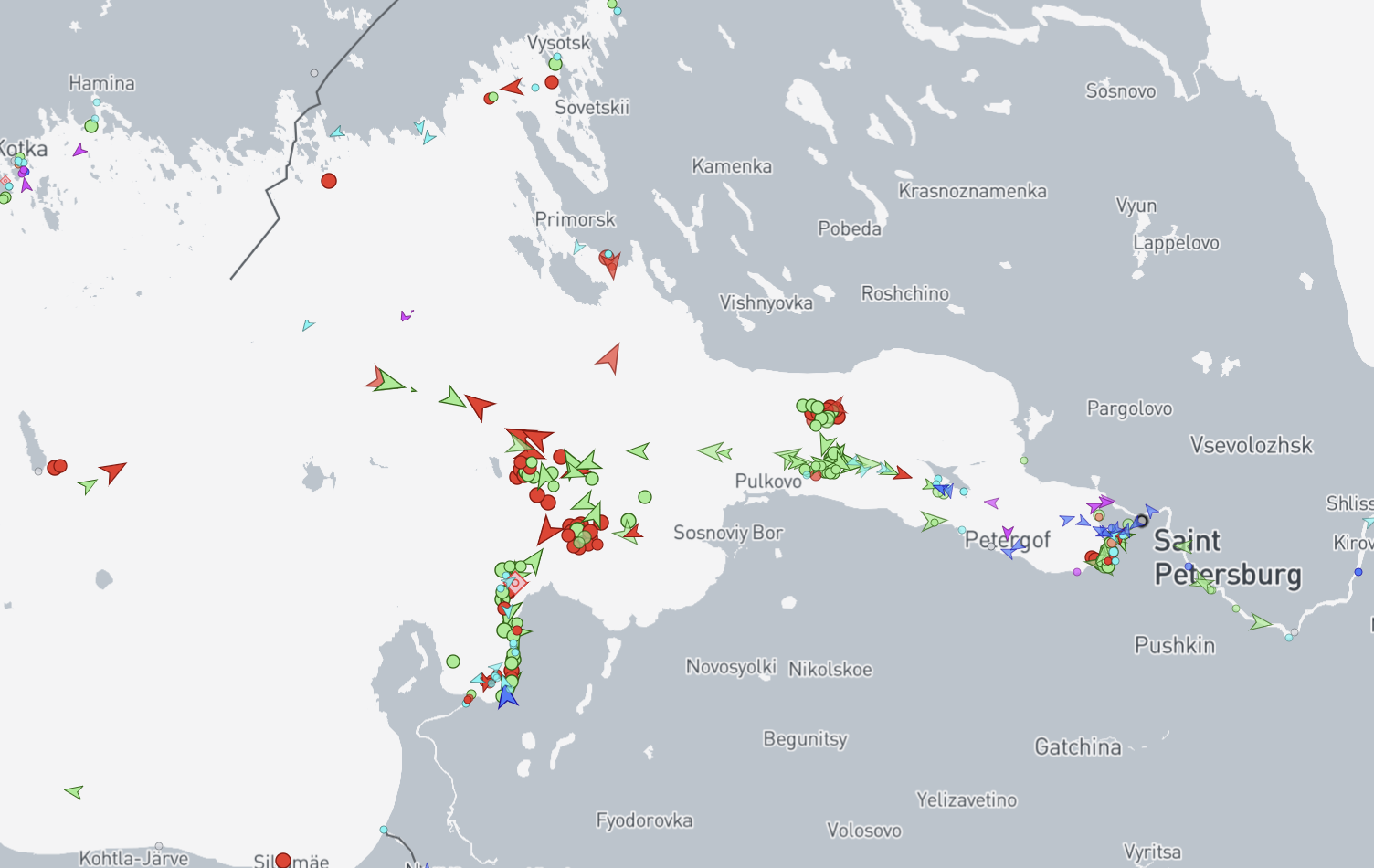 Update on the M/V OCEAN SHANGHAI. The 2013 case of Farenco Shipping Co. v. Farenco Shipping PTE, Ltd. produced the best mootness argument of all time — a case about the seizure of a marine vessel became moot once the ship had sailed. The M/V OCEAN SHANGHAI, since renamed as SFERA, has avoided the Fifth Circuit’s waters ever since; as of September 21, 2026, it was anchored in the Gulf of Finland not far from Saint Petersburg (right). .
- Creole Cuisine. The Fifth Circuit is blessed to be headquartered in the culturally rich city of New Orleans; to celebrate 600Camp’s birthday properly, you should make some shrimp remoulade using the legendary recipe from Galatoire’s.
 Lucid Group USA v. Johnston held that Texas’s prohibition on vehicle manufacturers selling directly to consumers does not violate the Equal Protection or Due Process Clauses of the Fourteenth Amendment.
Lucid makes electric cars and sells them through direct-to-consumer “studios” and not franchised dealerships. Texas law, however, bars motor-vehicle manufacturers from owning their own dealerships.
The Court applied rational-basis review, citing precedent about similar manufacturer-dealer separation statutes, explaining that such laws apply “to the automobile industry more broadly” because “the state has a legitimate interest in preventing firms from vertically integrating and abusing the resulting power.” From there, it observed: “There is hardly a more quintessential example of vertical integration than a manufacturer’s extending itself into distribution.” No. 25-50319 (Sept. 4, 2026).
In SEC v. Hill, the Fifth Circuit vacated a district court order that overruled a secured lender’s objection to a receiver’s distribution plan, holding that the district court’s one-paragraph adoption of the receiver’s analysis, without independent tracing of facts and law, failed to satisfy due process. No. 25-50986 (Aug. 25, 2026).
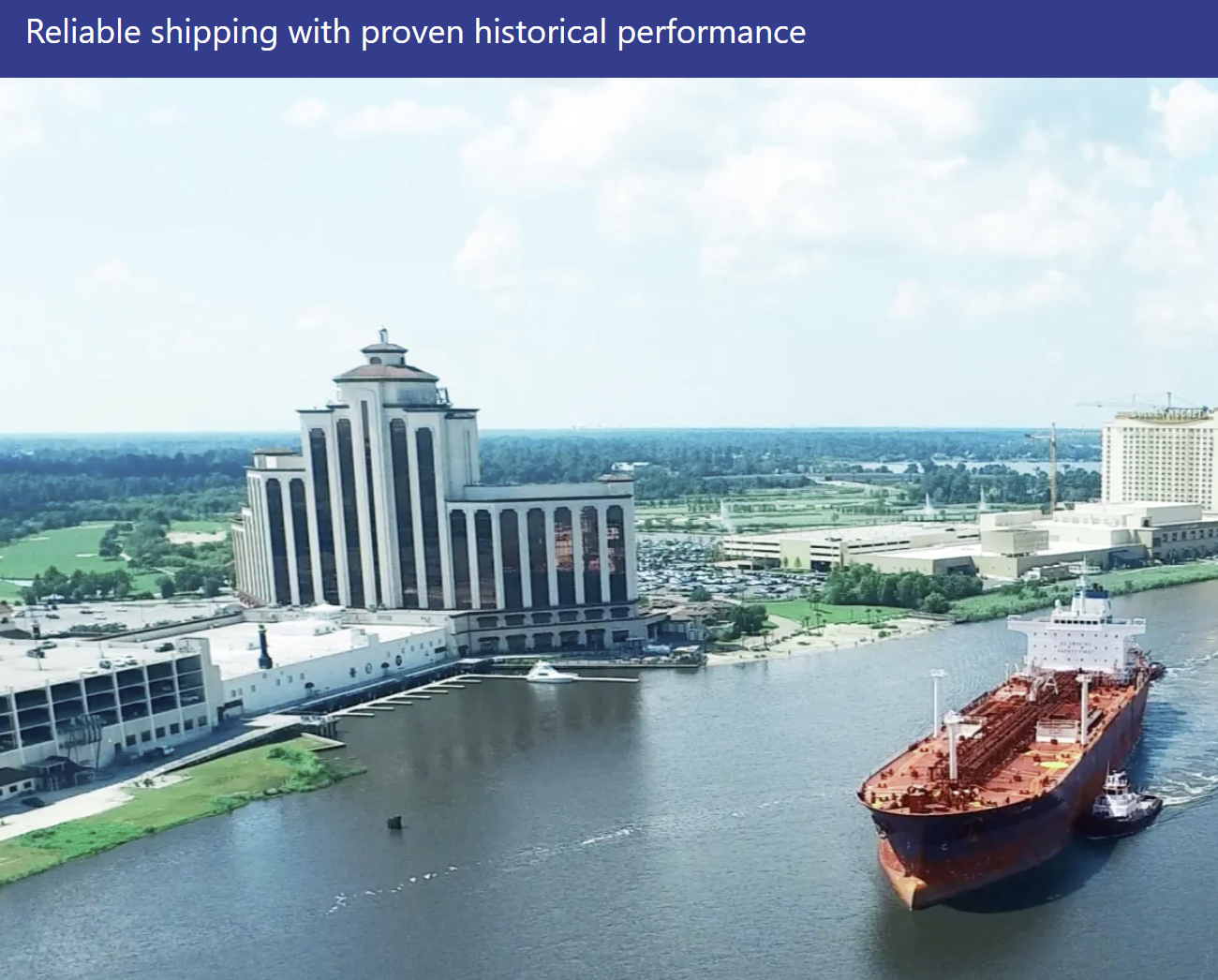 The father of this blog’s publisher was born in Orange, Texas, so developments in Lake Charles, Louisiana are always of interest. In IFG Port Holdings v. Lake Charles Harbor & Terminal District, which produced a $125 million judgment, a panel majority found that the losing party had not given effective consent to proceeding before a magistrate judge when the party lacked knowledge of a close personal relationship between the judge and opposing counsel:
Overwhelming evidence shows a close family friendship between Judge Kay and Monk. And vanishingly little direct or circumstantial evidence suggests the Port actually knew about the friendship before judgment. The district court applied the right knowledge standard to these facts: Only the Port’s actual knowledge of the nature and extent of the Monk-Kay friendship before judgment is sufficient to show their knowing consent.
No. 24-30552 (Sept. 8, 2026). A dissent was concerned that this result would encourage satellite litigation involving ill-founded attacks on judges.
The http://U.S. Court of Appeals for the Fifth Circuit and the Bar Association of the Fifth Federal Circuit both have stylish new websites!
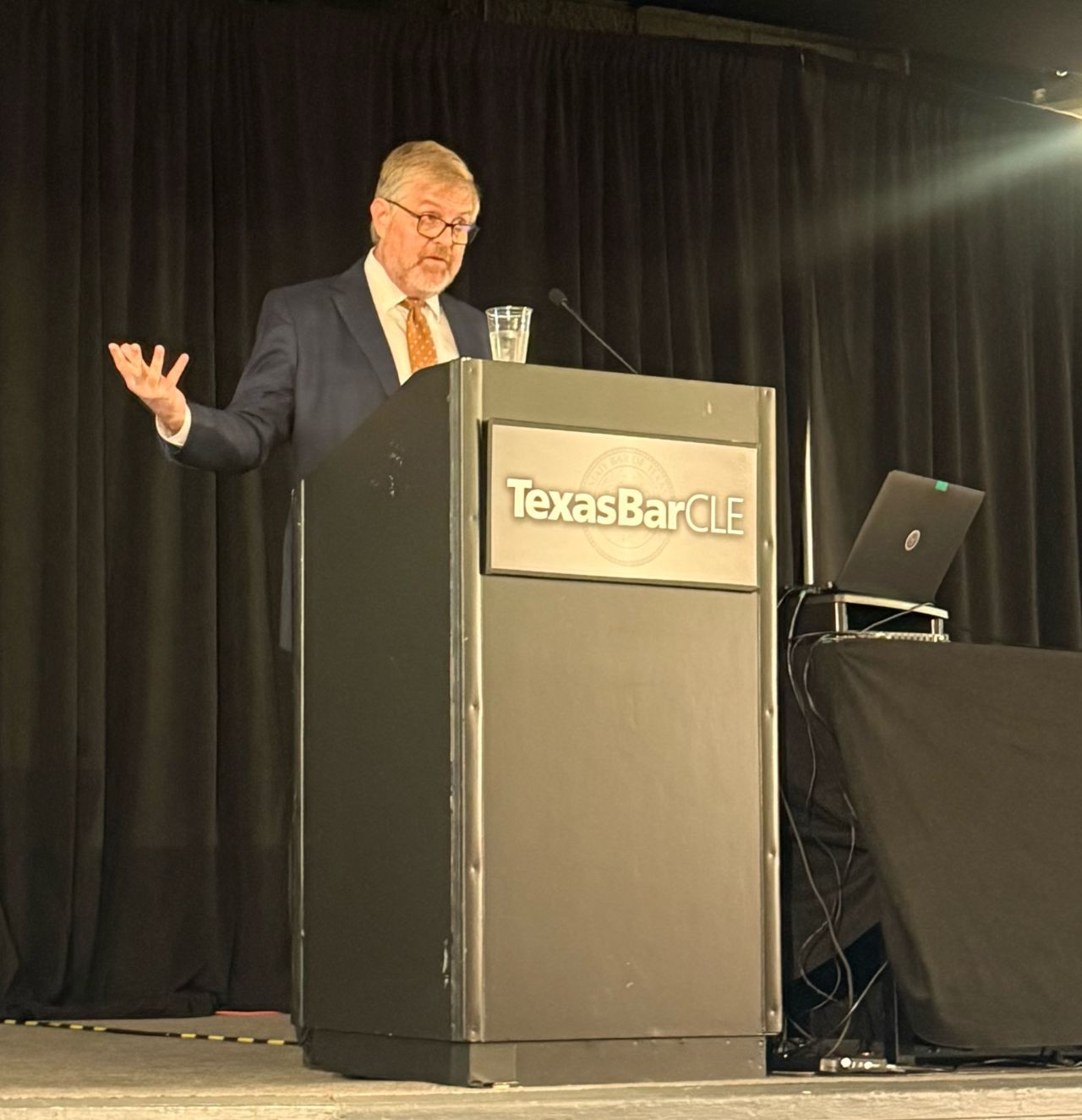 Here is a copy of my PowerPoint from last week’s Advanced Civil Trial course in Austin, where I gave an update on the work of the Texas Supreme Court in its 2025-26 term.
 In Rummans v. HSBC Bank USA, N.A., the Fifth Circuit affirmed a foreclosure and breach-of-contract judgment against a borrower, holding that a servicer’s evidence of mailing was sufficient to trigger the common law’s “mailbox rule” that creates a presumption of receipt.
Specifically, the server resented evidence that it “mailed to Plaintiff via first class mail addressed to Plaintiff at the proper address each of the letters at issue.” Applying the mailbox rule, the district court presumed that Plaintiffs received the letters.
The plaintiff’s only contrary evidence was his own testimony that he never received them. The Fifth Circuit agreed that was not enough, because “the purpose of a presumption would be undercut if all that were necessary to defeat a presumed fact were a party’s uncorroborated statement.” The Court also noted that Plaintiff had affirmatively contacted SLS about the loan at one point, which “makes plain he knew there was some looming issue to remedy.” No. 25-10897 (5th Cir. Aug. 26, 2026).