 This is a cross-post from 600Commerce
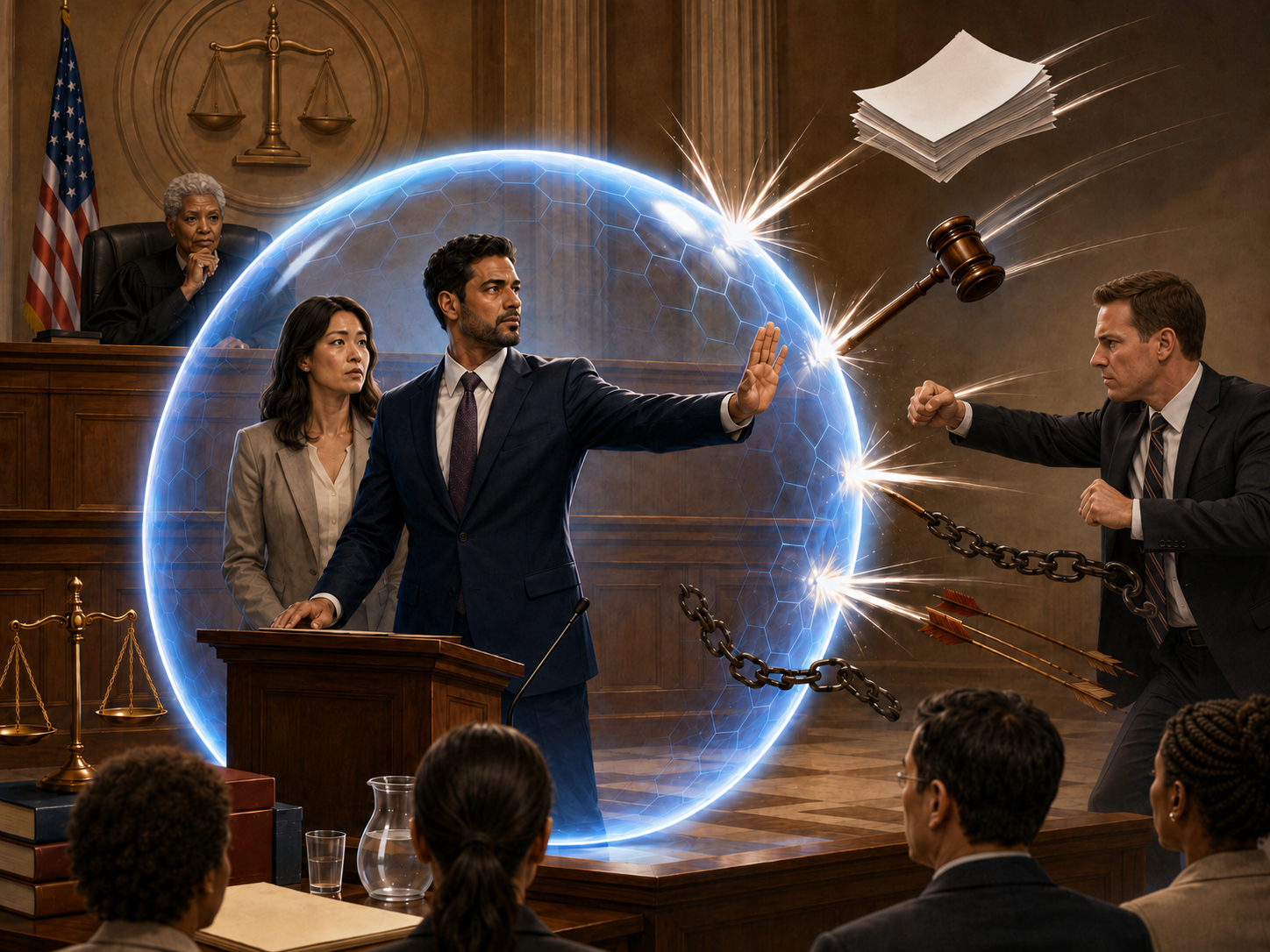
In re Jackson holds that attorney immunity protects an in-house corporate attorney from a tortious interference claim brought by a terminated CEO. The former CEO had amended his petition to remove references to Jackson as “general counsel” and recast him as a “business advisor,” but the Fifteenth Court found this recharacterization did not defeat the defense: “[N]o matter how Jackson’s conduct is characterized, for immunity purposes the question is whether rendering advice to a client in these circumstances is ‘the kind of conduct‘ attorneys engage in when discharging their professional duties to a client.” (emphasis added).
The Court clarified that the test for attorney immunity does not ask what actual advice an attorney gave (since that is privileged) but instead examines hwether the challenged conduct is “the kind of conduct” that attorneys undertake while discharging professional duties to a client. Here, when a multi-billion-dollar company considers firing a CEO who may raise a $350 million claim, seeking legal advice is expected, and rendering that advice is precisely the kind of conduct corporate attorneys and general counsel perform.
The Court rejected the argument that allegations of Jackson’s involvement in business operations—such as attending strategy meetings and meeting with employees on technology matters—showed his interference was non-legal, noting that none of those activities related to the actual conduct sued upon: advising on the CEO’s termination. The Court further held that an attorney’s self-interest does not cancel the immunity defense so long as that interest coincides with the client’s interests, because the inquiry “focuses on the function and role the lawyer was performing, not the alleged wrongfulness, or even asserted criminality, of the lawyer’s conduct.”
A dissent argued that the live pleadings—which must be taken as true under Rule 91a—portrayed Jacksonas a business advisor pursuing his own self-interest in obtaining the CEO position for himself. The dissent stressed that attorneys often wear many hats in the corporate world and that not every action by someone with a law license qualifies for immunity; rather, the conduct must be particular to “the office, professional training, skill, and authority of an attorney.” No. 15-25-00235-CV, Jul. 14, 2026. (Of general interest, a 2014 Fifth Circuit case addressed similar issues in the context of privilege.)