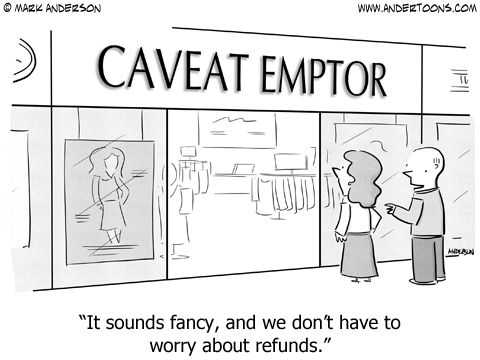
 In Finite Utility Consulting, L.L.C. v. Tawa Supermarket, Inc., the Fifth Circuit affirmed summary judgment against a supermarket chain’s misrepresentation claims against its former energy broker, noting:
- No justifiable reliance. “Tawa first relies on the alleged promise of a fixed all-in price. But the LOA and accompanying emails expressly described the all-in figure as an estimate and disclaimed a guaranteed supplier rate. An estimate of future
charges is not the definite promise that promissory estoppel requires.” - No actual reliance. “Tawa next invokes Finite’s promise to conduct a ‘full Commercial and Legal review’ of the supply agreement. Even assuming a sufficiently definite promise and deficient review, Tawa identifies no detrimental change in position attributable to it. The only comparative evidence shows that the resulting arrangement reduced Tawa’s energy costs. And Finite’s later statement about ‘appropriate reimbursement’ came after Tawa signed the supply agreement; Tawa identifies no new action it took in reliance on that statement.”
No. 25-20396 (5th Cir. Aug. 4, 2026).






 ned to the “good faith” defense to a claim under the Texas Uniform Fraudulent Transfer Act – a defense that potentially allows an innocent third-party to retain the benefit of a transfer made by a debtor with intent to defraud creditors. The specific question was whether the Texas Supreme Court would accept a “futility” defense to inquiry notice, and the Court concluded that it would not: “No prior court considering TUFTA good faith has applied a futility exception to this exception, and we decline to hold that the Supreme Court of Texas would do so. Transferees seeking to retain fraudulent transfers might offer up evidence of undertaken investigations to prove a reasonable person’s suspicions would not have been aroused when the transfer was received. But the fact that a fraud or scheme is later determined to be too complex for discovery does not excuse a finding of inquiry notice and does not warrant the application of TUFTA good faith.” No. 17-11526 (Jan. 9, 2019).