Qualified Immunity, On Remand
September 30, 2025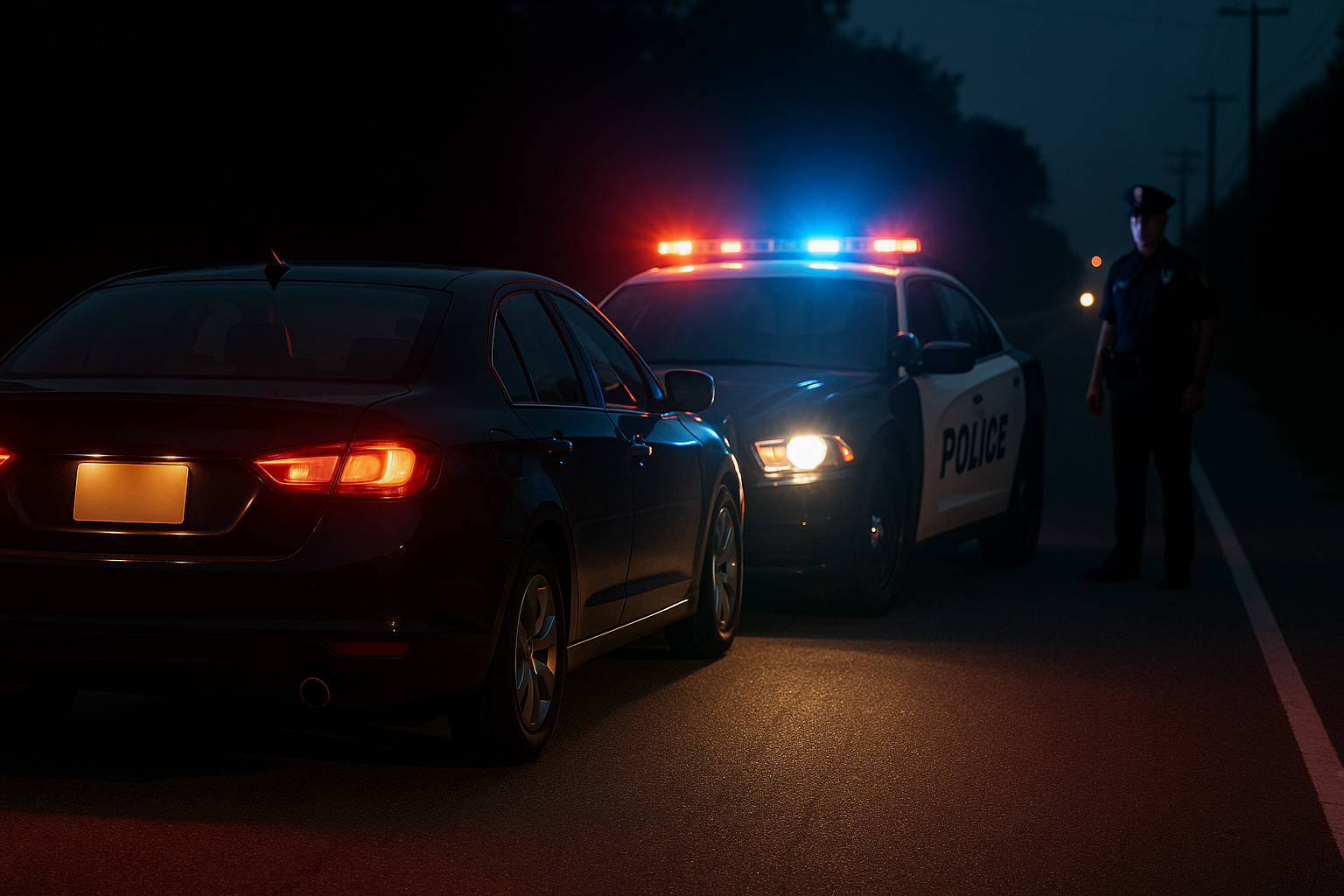 Returning to the Fifth Circuit after the Supreme Court rejected the Circuit’s “moment-of-threat” doctrine, the panel in Barnes v. Felix now applied a totality-of-the-circumstances analysis.
The Court considered the events leading up to the shooting: the deputy stopped a vehicle for outstanding toll violations, and during the stop, the driver ignored commands, grabbed his keys, and attempted to flee by driving away on a busy freeway. The deputy, partially inside the moving vehicle, fired his weapon as the car accelerated. The Court held that the deputy’s use of deadly force did not violate the Fourth Amendment because his conduct was not objectively unreasonable given the immediate risks to himself and the public posed by the suspect’s sudden flight.
On that basis, the Court applied qualified immunity, concluding that “the plaintiffs have failed to satisfy the first step of the qualified-immunity analysis—raising a dispute of material fact on whether [the decedent’s] Fourth Amendment right to be free from excessive force was violated ….” No. 22-20519, Sep. 18, 2025.
The first two paragraphs elegantly place this dispute within many decades of the legal system’s interaction with the automobile:
“As advances of the genre of the Morse code, with its twenty-six letters and ten numerals, railroads, and flight challenged the social order and perforce its legal regime, today we repair to the horseless carriage with its then unimaginable role in daily life, and as with each of the past challenges to the essential task of policing its usage.
From a unanimous Supreme Court came pretextual stops, enabling police officers to stop an automobile upon probable cause that any traffic violation has occurred, even if the stop is in search of another violation. Even before that, the Court, aware of the “inordinate risk confronting an officer as he approaches a person seated in a vehicle,” had granted officers the right to order the driver out of the vehicle. The import of these decisions cannot be understated, as traffic stops are among the most common interactions the public has with police.” (citations omitted)